
A dynamic QR code is more than just a link; it is a physical tracking pixel deployed into the real world. Every time a user scans one of your codes, their smartphone temporarily connects to our redirect servers. During that brief millisecond connection, we are able to capture a wealth of contextual data, the most powerful of which is geographic location. Understanding how to leverage this data is key to optimizing national and global campaigns.
It is important to clarify how this works to respect user privacy. We do not track users' exact GPS coordinates (which would require a prompt asking for location permissions). Instead, we utilize IP address geolocation. This provides city-level accuracy. For a business running a unified marketing campaign across hundreds of retail locations nationwide, this level of granularity is incredibly powerful.
By analyzing the geographic heat map in the QR Master dashboard, marketers can instantly identify regional performance discrepancies. If you deploy identical promotional posters in Chicago, Miami, and Seattle, the scan data might reveal that Miami is generating triple the engagement of the other cities. This real-time feedback allows you to reallocate digital advertising budgets, double down on inventory shipments to the high-performing region, or investigate why the campaign is failing elsewhere.
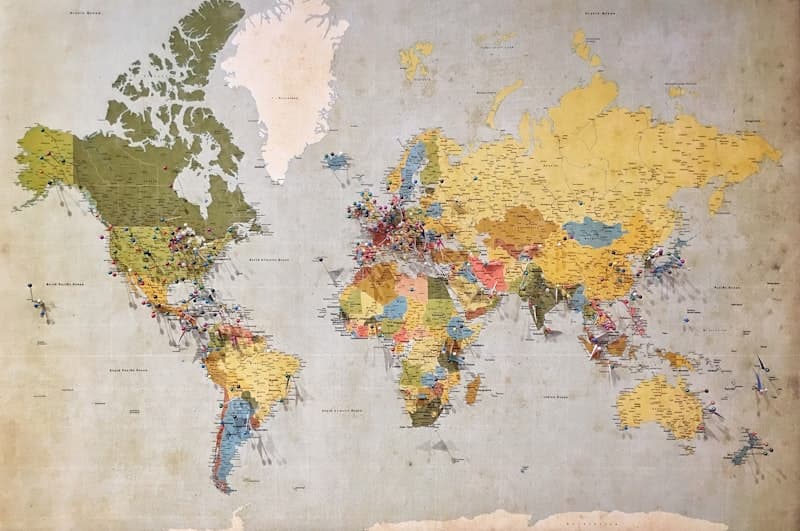
Furthermore, advanced users can utilize our API to implement geo-fenced dynamic routing. This means a single QR code can route to different destinations based on where the scan occurs. A global fashion brand can use one code on their packaging; if scanned in France, it opens the French store in Euros, and if scanned in Japan, it opens the Japanese store in Yen. Geographic data transforms a static print asset into a globally aware, intelligent touchpoint.